Showing posts with label Health Care Tips. Show all posts

Sunday, January 23, 2011

Smoking Recovery Timetable

Stop Smoking Recovery Timetable


WARNING: The below chart is for cold turkey quitters only, not those using quitting products. The chart reflects averages and norms. Do not rely upon this chart as it relates to any behavioral change or symptom if you are using any quit smoking product. If using a product and you or a family member are at all concerned about any change in behavior, depression, aggression or any ongoing symptom contact your physician and pharmacist IMMEDIATELY! If you experience any suicidal thinking, thoughts of wanting to harm or kill others, loss of consciousness, seizure or other serious behavioral change or symptom seek IMMEDIATE EMERGENCY MEDICAL ATTENTION.


Our body's ability to mend is beauty to behold ...

  Within ...


  • 20 minutes

  • Your blood pressure, pulse rate, and the temperature of your hands and feet will all return to normal.

  • 8 hours

  • Remaining nicotine in your bloodstream will have fallen to 6.25% of normal peak daily levels, a 93.25% reduction.

  • 12 hours

  • Your blood oxygen level will have increased to normal and carbon monoxide levels will have dropped to normal.

  • 24 hours

  • Anxieties peak in intensity and within two weeks should return to near pre-cessation levels.

  • 48 hours

  • Damaged nerve endings have started to regrow and your sense of smell and taste are beginning to return to normal. Cessation anger and irritability peaks.

  • 72 hours

  • Your entire body will test 100% nicotine-free and over 90% of all nicotine metabolites (the chemicals it breaks down into) will now have passed from your body via your urine.  Symptoms of chemical withdrawal have peaked in intensity, including restlessness. The number of cue induced crave episodes experienced during any quitting day will peak for the "average" ex-user. Lung bronchial tubes leading to air sacs (alveoli) are beginning to relax in recovering smokers. Breathing is becoming easier and the lungs functional abilities are starting to increase.

  • 5 - 8 days

  • The "average" ex-smoker will encounter an "average" of three cue induced crave episodes per day. Although we may not be "average" and although serious cessation time distortion can make minutes feel like hours, it is unlikely that any single episode will last longer than 3 minutes. Keep a clock handy and time them.

  • 10 days

  • 10 days - The "average ex-user is down to encountering less than two crave episodes per day, each less than 3 minutes.

  • 10 days to 2 weeks

  • Recovery has likely progressed to the point where your addiction is no longer doing the talking. Blood circulation in our gums and teeth are now similar to that of a non-user.

  • 2 to 4 weeks

  • Cessation related anger, anxiety, difficulty concentrating, impatience, insomnia, restlessness and depression have ended. If still experiencing any of these symptoms get seen and evaluated by your physician.

  • 21 days

  • Brain acetylcholine receptor counts up-regulated in response to nicotine's presence have now down-regulated and receptor binding has returned to levels seen in the brains of non-smokers.

  • 2 weeks to 3 months

  • Your heart attack risk has started to drop. Your lung function is beginning to improve.

  • 3 weeks to 3 months

  • Your circulation has substantially improved. Walking has become easier. Your chronic cough, if any, has likely disappeared.

  • 1 to 9 months

  • Any smoking related sinus congestion, fatigue or shortness of breath have decreased. Cilia have regrown in your lungs thereby increasing their ability to handle mucus, keep your lungs clean, and reduce infections. Your body's overall energy has increased.

  • 1 year

  • Your excess risk of coronary heart disease has dropped to less than half that of a smoker.

  • 5 to 15 years

  • Your risk of stroke has declined to that of a non-smoker.

  • 10 years

  • Your risk of death from lung cancer has declined by almost half if you were an average smoker (one pack per day).  Your risk of cancer of the mouth, throat and esophagus has now decreased.

  • 13 years

  • Your risk of smoking induced tooth loss has declined to that of a never-smoker.

  • 15 years

  • Your risk of coronary heart disease is now that of a person who has never smoked.

  • 20 years

  • Female excess risk of death from all smoking related causes, including lung disease and cancer, has now reduced to that of a never-smoker.

    ... so long as we stop while still time!
     
    Courtesy as is: http://whyquit.com 

    Thursday, December 23, 2010

    STAMINA EXERCISES


    STAMINA EXERCISES

     * Walking: Excellent cardiovascular benefits for the advanced age groups. Should be done briskly with swinging of the arms. Comfortable shoes must be worn. May be done morning or evening for 30-60 minutes.

     * Jogging: Suitable for younger age group below 50 years. 30 minutes is all that is required and may be done continuously, or jog and walk in between when fatigued. The pace of jogging is equal to that of a brisk walk run on soft or grassy surface. Wear comfortable clothes and breathe freely.

     * Swimming: For those who know how to swim, 20 minutes of continuous swimming is sufficient. Alternately swim the length of a pool 10-20 meters, rest at the end for 30 seconds, swim back. 10 such lengths are good. Use any stroke you know. They are all of almost equal cardiovascular and muscular benefit.
     
     * Cycling: For any age group. Minimum time 45-60 minutes of continuous controlled fast cycling. Cycling up slopes gives added benefit. Ordinary cycles are good enough and indoor stationary exercycles may also be used at low resistance for 45 minutes.
     
     * Games: For the fitter younger age group. Get fit first before playing games such as squash, badminton, tennis, handball, basketball, football etc. Warm up before the games. 30-45 minutes of the game is sufficient. Weekend or once a week games must be avoided unless other fitness programs are done on other days. Play within your capacity.
     
    GYM EXERCISES / WEIGHT TRAINING
    Weight training is basically for strengthening and building up the muscles. An all-round programme must have some stretching and cardio-vascular exercises as well. In addition, weight training loads the bones thereby strengthening and protecting against osteoporosis. The points to keep in mind in weight training are as follows:
    1.         The ideal weight training schedule is on alternate days i.e. 3 days a week with a complete rest on weekends.
    2.         The systems of training different muscle groups on different days may be good for competitive sportsmen. The best system for non-competitive sportsmen is to exercise the entire body in each session. The major muscle groups are: Upper body - Shoulders, Arms, Chest and Lower body - Back, Abdomen, Legs.
    3.         Suppleness and stamina can also be built up through weight training by following a body builder-type schedule. Weights are also used to stretch muscles, build muscular endurance and cardiovascular stamina by repeating each exercise by using lighter weights with more repetitions.
    4.         If repetition is too easy, the weight used is too little. And in case it is not possible to complete the repetitions, it means the weight carried is too heavy.
    5.         A repetition is one complete exercise movement from the starting point to finish and then back again to the starting point. A set is a group of repetitions of the same exercise. Therefore, for the upper body 8 repetitions is one set. For the lower body, 15 repetitions forms one set.
    6.         We prescribe three sets of exercises for each muscle group. However, several systems of weight training prescribe different repetitions as well as different sets.

    NUTRITION AND CALORIE MANAGEMENT
    Generally speaking, our daily food intake must comprise a balanced diet of 1500-2000k calories with fiber (above 75 gm) and low fat (below 30 gm). Consult your nutritionist for specific advice.

    MICRO-NUTRIENTS
    The guide to healthy eating pyramid provides you a balanced diet, with ample vitamins, minerals and anti-oxidants. The therapeutic benefits of these micro-nutrients are explained below.

    STRESS MANAGEMENT
    Stress has existed from the time of Early Man but has now become an omnipresent phenomenon in the life of ‘Modern Man’. It has pervaded all layers of life. Stress is the bio-psycho-social response of the body to a demand, mental or physical. Stress is an arousal response the body makes, when a situation is perceived as being stressful. The impact of this arousal affects emotional as well as cognitive thinking. The impact is seen in behavioral and physiological change. When stress is long term and chronic it leads to chronic psychosomatic ailments. While there is an undeniable link between stress and illness, optimal stress is a prerequisite for success in every task.  Stress is the wind beneath your wings pushing you towards achievement. If stress can trigger off psychosomatic ailments in those living in the fast track, it can be a trigger even to those who suffer from monotony, boredom or frustration. It is therefore very essential to bring a balance between too much and too little stress. The first step in managing stress is to develop a stress-free personality. A high self-esteem, assertive behavior and a positive attitude help in building a stress-free perception. It also helps to focus on areas where control and change are possible. Locate the source of stress and use a problem solving approach to deal with it step by step. All stress you can understand. Some you can change. Some you may have little control over. You may then need to change your attitude and response towards these stressors. Thereby reducing stress.
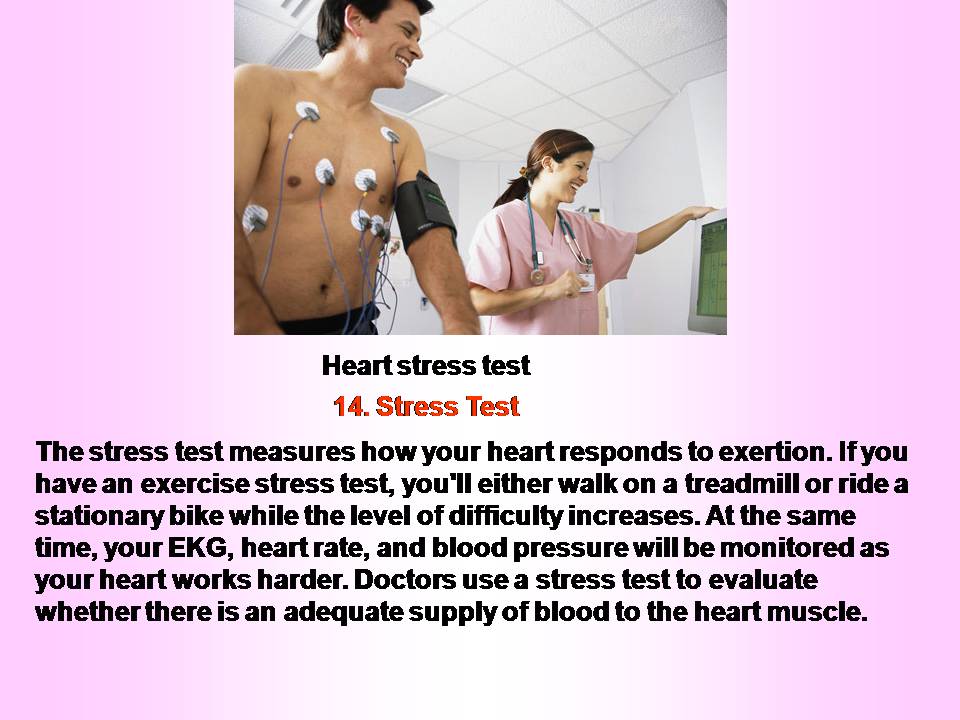
    Any exercise programme done regularly utilizes the body’s stress hormones. Exercise not only makes the body fit, but also acclimatizes the heart and lungs to increased activity, as in stressful situations. Relaxation and meditation techniques result in calming brain waves, and reducing the effects of stress. This is especially effective with stress related ailments such as Hypertension, Headaches, Digestive ailments, Cardiac ailments, Sleep problems to name just a few.
    Stress may be an irritant in your life or it may be a factor of passive existence. Change of perspective will help change this stress to an active, rewarding life. One of the best gifts of nature is sleep. Daily sleep of 6 - 8 hours helps in relaxation and repair of the body and mind. It provides sufficient time for deep - NREM and dream REM sleep restoring physical and mental health. Stress may be an irritant in your life or it may be a factor of passive existence. Change of perspective will help change this stress to an active, rewarding life. One of the best gifts of nature is sleep. Daily sleep of 6 to 8 hours helps in relaxation and repair of the body and mind. It provides sufficient time for deep - NREM and dream REM sleep restoring physical and mental health. Use some of these stress defense mechanisms & reduce your stress.
     *   Quality time for family will ensure that you have a retreat called home.
     *   Plan your career well; it will give you challenge, satisfaction & security.
     *   An assertive personality is responsible to self & others. Learn this skill.
     *   Communication is the key to relationship building. Listen better and your conflicts will slowly dissolve.
     *   Develop a sense of humor. Learn to laugh at life, its paradoxes and at yourself.
     *   Plan a little idleness & quietness each day. You will be able to recharge.
     *   Exercise is arousal and relaxation is the opposite. Yet both are necessary on a daily basis. Practice both.
     *   Sleep well and you will have renewed energy to face the next day’s Stresses.
     *   Plan your time well. You only have 24 /hours a day and many important areas to fit in. A simple formula for time & stress management. You could personalize it to suit your needs. Remember you can’t delete any activity or reduce time for health factors.
    Hours    Activity
    6-8       Sleep
    8-10    Work, Occupation, Study
    1          Exercise
    1         3 big and 2 small meals Quality family time
    6        Relaxation, personal hygiene, social time, quiet personal time, others
    24     Total time in a day

    EAR, NOSE, THROAT, TEETH, EYE CARE
    I. Ears
     *   Have periodic examination of your ears, especially if you notice your hearing decreasing.
     *   Do not put drops, oil, etc. in your ears without doctor’s advice.
     *   Do not clean the ears with pins, keys, pens, etc.
     *   Do not remove foreign objects from the ear without a doctor’s assistance.
     *   Do not unnecessarily- clean ears after bath with ear buds, etc.
     *   Loud noises are harmful for the ears.
     *   Do not slap children / others on the ears.
     *   Do not allow dirty water to enter into the ears.
     *   In all cases of ear ache, ringing in the ears, discharge from the ears, giddiness, vertigo, nausea, vomiting etc.- immediately consult your doctor.

    II. Nose
     *   Do not squeeze a boil or pimple around the area of the nose.
     *   Do not try and remove a foreign object from the nasal passage without a doctor’s assistance.
     *   Do not unnecessarily pick the nose or blow the nose vigorously.
     *   Avoid unnecessary misuse of nasal drops inhalers, etc. without a doctor’s approval.
     *   Consult your doctor immediately in case of injury and breathing difficulty.

    III. Throat
     *   Avoid the use of irritants to the throat such as smoking, chewing tobacco / paan, etc.
     *   Avoid putting coins, marbles, pins, etc. in the mouth.
     *   Do not shout, scream etc. this causes hoarseness. In cases of hoarseness - rest the throat without misuse till hoarseness passes. If hoarseness persists for more than 7 days, consult your doctor.
     *   Avoid eating excessively cold/hot spicy foods.
     *   Avoid talking when food/water is in the mouth.
     *   Eat food calmly- avoid hurry.
     *   In case of glandular swelling in the neck, consult your doctor.

    IV. Teeth
     *   Brush your teeth once / twice a day prior to sleeping using a medium tooth brush.
     *   Massage your gums once a day with your finger for one minute.
     *   Avoid using abrasive tooth powders, salt, tobacco, etc. for cleaning the teeth.
     *   Avoid use of any other person’s tooth brush.
     *   Change your tooth brush at least once every 90 days.
     *   Use dental floss for removing food particles; avoid the use of pins, etc.
     *   Do not smoke, use tobacco, chew gum, eat chocolate, candy etc.

    Stroke - Prevent it


    tags: symptoms of stroke, reasons for stroke, brain attack, doctor advice, stroke treatment, Call 108

    Wednesday, December 22, 2010

    NO TO CELL PHONES

    SAY NO TO CELL PHONES


    Avoid using cell phones as much as possible and more so for youngsters, kids.

    Children’s skulls are thinner and their brains contain more fluid than adults’. Radio frequencies travel through the children’s brains much more easily and therefore increase the risk of cancer.

    Download the document from link to read complete details:

    Tags: Cell phone, brain, radio active, cancer

    Chat with Dr. Devi Shetty

    A chat with Dr. Devi Shetty
    Narayana Hrudayalaya (Heart Specialist) Bangalore

    This was arranged by WIPRO for its employees. The transcript of the chat is given below.
    Useful for everyone.

    Qn: What are the thumb rules for a layman to take care of his heart?
    Ans:
    1. Diet - Less of carbohydrate, more of protein, less oil
    2. Exercise - Half an hour's walk, at least five days a week; avoid lifts and avoid sitting for a longtime
    3. Quit smoking
    4. Control weight
    5. Control blood pressure and sugar

    Qn: Is eating non-veg food (fish) good for the heart?
    Ans: No

    Qn: It's still a grave shock to hear that some apparently healthy person  gets a cardiac arrest. How do we understand it in perspective?  
    Ans: This is called silent attack; that is why we recommend everyone past the age of 30 to undergo routine health checkups.

    Qn: Are heart diseases hereditary? 
    Ans: Yes  

    Qn: What are the ways in which the heart is stressed? What practices do you suggest to de-stress?
    Ans: Change your attitude towards life. Do not look for perfection in everything in life.

    Qn: Is walking better than jogging or is more intensive exercise required to keep a healthy heart?
    Ans: Walking is better than jogging since jogging leads to early fatigue and injury to joints   

    Qn: You have done so much for the poor and needy. What has inspired you to do so?
    Ans: Mother Theresa, who was my patient.

    Qn: Can people with low blood pressure suffer heart diseases?
    Ans: Extremely rare

    Qn: Does cholesterol accumulate right from an early age? (I'm currently only 22) or do you have to worry about it only after you are above 30 years of age?
    Ans: Cholesterol accumulates from childhood.

    Qn: How do irregular eating habits affect the heart?
    Ans: You tend to eat junk food when the habits are irregular and your body's enzyme release for digestion gets confused.

    Qn: How can I control cholesterol content without using medicines?
    Ans: Control diet, walk and eat walnut.

    Qn: Can yoga prevent heart ailments?
    Ans: Yoga helps.

    Qn: Which is the best and worst food for the heart?  
    Ans: Fruits and vegetables are the best and the worst is oil.

    Qn: Which oil is better - groundnut, sunflower, olive?
    Ans: All oils are bad.

    Qn: What is the routine checkup one should go through? Is there any specific test?  
    Ans: Routine blood test to ensure sugar, cholesterol is ok. Check BP, Treadmill test after an echo.

    Qn: What are the first aid steps to be taken on a heart attack?
    Ans: Help the person into a sleeping position , place an aspirin tablet under the tongue with a sorbitrate tablet if available, and rush him to a coronary care unit since the maximum casualty takes place within the first hour.

    Qn: How do you differentiate between pain caused by a heart attack and that caused due to gastric trouble?
    Ans: Extremely difficult without ECG.

    Qn: What is the main cause of a steep increase in heart problems amongst youngsters? I see people of about 30-40 yrs of age having heart attacks and serious heart problems.
    Ans: Increased awareness has increased incidents. Also, sedentary lifestyles, smoking, junk food, lack of exercise in a country where people are genetically three times more vulnerable for heart attacks than Europeans and Americans.

    Qn: Is it possible for a person to have BP outside the normal range of 120/80 and yet be perfectly healthy?
    Ans: Yes.

    Qn: Marriages within close relatives can lead to heart problems for the child. Is it true?
    Ans : Yes, co-sanguinity leads to congenital abnormalities and you may not have a software engineer as a child

    Qn: Many of us have an irregular daily routine and many a times we have to stay late nights in office. Does this affect our heart? What precautions would you recommend?
    Ans : When you are young, nature protects you against all these irregularities. However, as you grow older, respect the biological clock.

    Qn: Will taking anti-hypertensive drugs cause some other complications (short / long term)?
    Ans : Yes, most drugs have some side effects. However, modern anti-hypertensive drugs are extremely safe.

    Qn: Will consuming more coffee/tea lead to heart attacks?
    Ans : No.

    Qn: Are asthma patients more prone to heart disease?
    Ans : No.

    Qn: How would you define junk food?
    Ans : Fried food like Kentucky , McDonalds , Samosas, and even Masala Dosas.

    Qn: You mentioned that Indians are three times more vulnerable. What is the reason for this, as Europeans and Americans also eat a lot of junk food?
    Ans: Every race is vulnerable to some disease and unfortunately, Indians are vulnerable for the most expensive disease.

    Qn: Does consuming bananas help reduce hypertension?
    Ans : No.

    Qn: Can a person help himself during a heart attack (Because we see a lot of forwarded emails on this)?
    Ans : Yes. Lie down comfortably and put an aspirin tablet of any description under the tongue and ask someone to take you to the nearest coronary care unit without any delay and do not wait for the ambulance since most of the time, the ambulance does not turn up.

    Qn: Do, in any way, low white blood cells and low hemoglobin count lead to heart problems?
    Ans : No. But it is ideal to have normal hemoglobin level to increase your exercise capacity.

    Qn: Sometimes, due to the hectic schedule we are not able to exercise. So, does walking while doing daily chores at home or climbing the stairs in the house, work as a substitute for exercise? 
    Ans : Certainly. Avoid sitting continuously for more than half an hour and even the act of getting out of the chair and going to another chair and sitting helps a lot.

    Qn: Is there a relation between heart problems and blood sugar?
    Ans: Yes, a strong relationship since diabetics are more vulnerable to heart attacks than non-diabetics. 

    Tags:  Health Care Tips, Dr. Devi Shetty, Heart Attack, Narayana Hrudayalaya, Heart Specialist, Bangalore, Prevention, First Aid for Heart Attack

    Monday, December 20, 2010

    Body Quirks & Causes


    BODY QUIRKS AND COMMON CAUSES

    Whether uncomfortable, embarrassing or just plain weird, there are some pretty funky things that our bodies do. Curious about the causes of such reactions as hiccups, goose bumps and eye twitches, we spoke with Eric Plasker, DC, author of The 100 Year Lifestyle, to get the real scoop. Read on to discover the common reasons for 14 peculiar bodily functions.

    [1] Yawns
    If your body is low on oxygen, your mouth opens wide and tries to suck more in. Yawning is a way to regulate the amount of carbon dioxide and oxygen in your blood. Unfortunately, yawns are nearly impossible to stifle.

    [2]  Eye Twitches
    Serious eye twitches can be a symptom of neurological disorders, but often there is a more mundane explanation. Common causes for eye twitches include stress, lack of sleep extended staring or eye strain. Before you get frantic, try reducing your stress level, cutting back on caffeine and catching up on sleep.

    [3]  Itches
    According to Dr. Plasker, our skin most often gets itchy because of dryness associated with the environment or over-washing. Water and soap can strip skin of its natural oils, thus sapping moisture. Face or body lotion should be able to keep these types of itches under control; also look for body washes and soaps labeled 'moisturizing'. If you still have itchy patches, you may be experiencing an allergic reaction to a chemical, plant, food, animal or drug. See an allergist if the itching is persistent.

    [4]  Hiccups
    If you've frequently got a case of the hiccups, try slowing down when you eat and drink, suggests Dr. Plasker. Doing either too quickly causes your stomach to swell; this irritates your diaphragm, which contracts and causes hiccups. You may also get hiccups in emotional situations or if your body experiences a sudden temperature change. In both of these cases, the hiccups are a result of a glitch in your nerve pathways, which is why a sudden scare - which might shake up and reset your nerves - can sometimes end an episode.

    [5] Goose Bumps
    Those tiny bumps that cover your skin when you're cold or scared are actually a defense mechanism. Goose bumps occur when the arrector pili, a tiny muscle that connects the hair follicle with skin, contracts and makes the hair stand on end. If you had more hair - like cavemen did - the upright hair would trap air to keep you warm or make you look bushier and therefore more threatening to predators.

    [6]  Sneezes
    Sneezes happen when your body is trying to expel an irritant from the nasal cavity. If you have allergies, pollen or pet dander is usually to blame. If you have a cold, your body makes mucus to trap the virus, and sneezing helps force it (and the sickness) out of your body. An over-the-counter allergy or cold medicine helps suppress your reaction to allergens or reduce mucus production, which should prevent sneezing fits.

    [7] Coughs
    A cough is another mechanism your body uses to get rid of irritants. There are special cells along your air passage, says Dr. Plasker, that recognize irritants and force them out. Common colds, sinus infections and pneumonia all increase your body's mucus production, which triggers coughing. Smoking and asthma also tend to irritate the cells. To help cut down on chronic coughing, exercise regularly and practice good posture to keep your air passage open.

    [8] Charley Horses
    These sudden, super-painful muscle spasms can be blamed on several things, including dehydration or electrolyte imbalances - often from strenuous exercise. After a demanding workout or an extra-long run, sip a sports drink to keep your system running smoothly. If you experience this type of cramping, walk around to help relieve the pain.

    [9]   Shivers

    Shivering, says Dr. Plasker, is full-body muscle twitching. When your temperature drops too low, your body shakes all over in an attempt to generate heat. The only way to cure these kind of shivers is to get your temperature back to 98.6 Degree F.

    [10]  Ear Ringing
    Ear ringing, or tinnitus, can happen for two reasons. If you have fluid or an infection in your middle ear, you may hear a constant buzz. However, the more common cause is damage to the microscopic ends of your hearing nerves, which often happens when you're exposed to loud noises. To prevent permanent damage (and preserve your hearing), wear earplugs at concerts and sporting events - or even when you mow the lawn.

    [11]  Stomach Rumbles

    As food, liquid and gas move through your digestive tract, your stomach muscles and intestines contract and cause rumbling noises - borborygmi is the scientific name. Everyone's stomach makes noise during digestion, but if you have extra-loud rumbles, a teaspoon of olive oil or a cup of herbal tea with lemon may help ease them, says Dr. Plasker.

    [12] Limbs Falling Asleep
    When there's consistent pressure on part of a limb - like when you sit on your feet or rest your head on an arm - the pressure squeezes your nerve pathways and scrambles messages sent to your brain. The mixed messages make you lose feeling in the squished body part because your brain has trouble telling it what to do. To prevent a case of pins and needles, avoid sitting or lying in positions that compress your nerves.

    [13]  Seeing Stars
    If you stand too quickly, suffer a blow to the head or are stricken by a migraine, there's a good chance you'll see stars as blood surges to different parts of your body. Generally these tiny flashes of light will fade in a few seconds. If you see stars for more than a few moments, you could have a tear or tiny clot in your retina, and you should consult a physician immediately.

    [14]  Ear Popping
    The Eustachian tube in your inner ear is responsible for maintaining equal pressure on both sides of your eardrum. When you experience a rapid change in altitude - during takeoff in an airplane or when riding an elevator in an extra-tall building - the Eustachian tube opens to release pressure, and you hear a pop. To force the tube open (and 'pop' your ears), squeeze your nostrils closed while exhaling forcefully through your nose.

    Prevent Heart Attack

    Prevent Heart Disease and Heart Attack